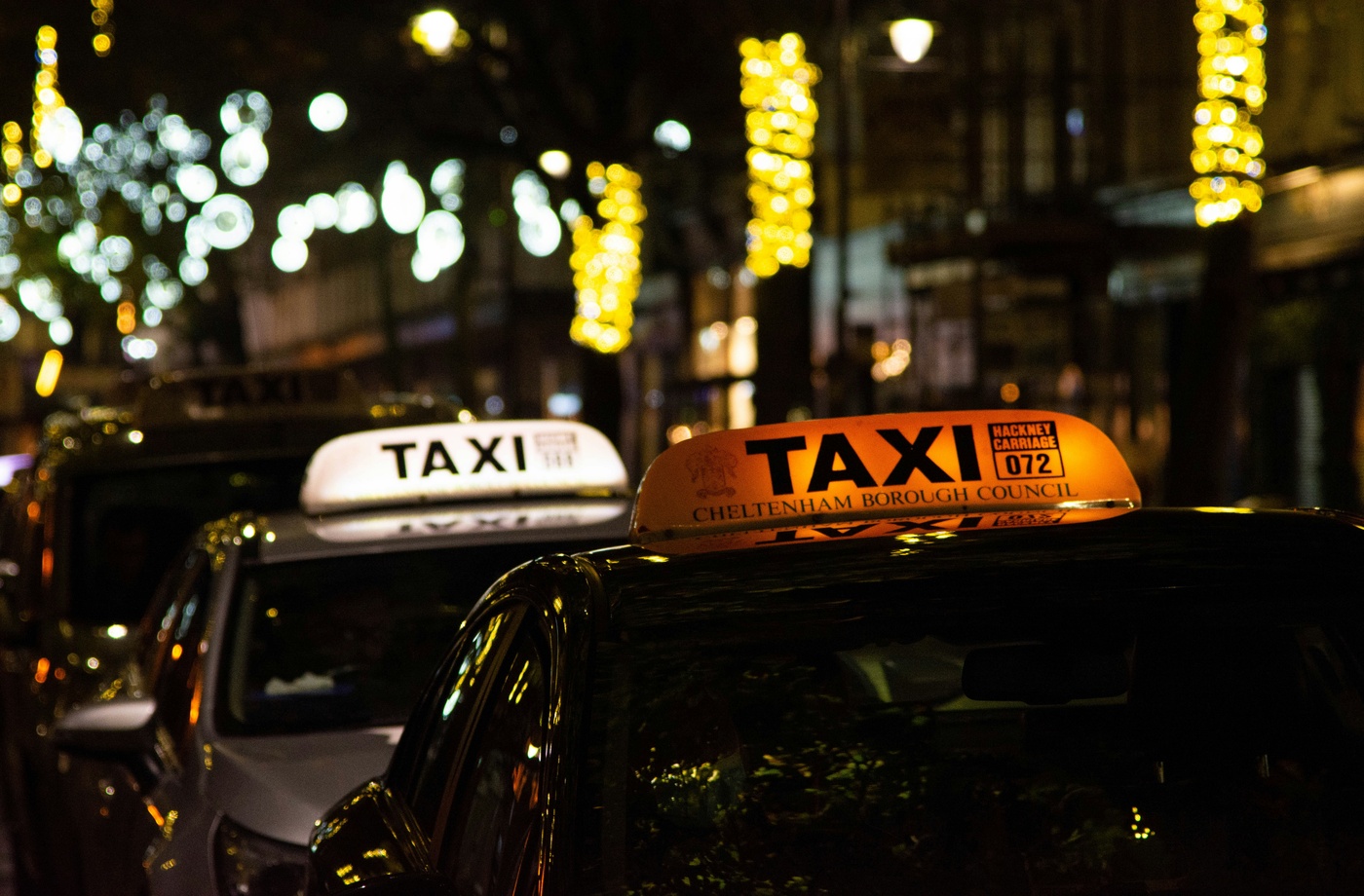
When you’re catching a flight or arriving in an unfamiliar city, your transportation choice from the airport can make or break your experience. While rideshare apps offer flexibility, taxis remain a highly reliable and often smarter option for airport transfers—especially when you value speed, fixed pricing, and convenience. Here’s why taxis continue to hold their ground as a go-to choice for airport travelers.
Taxis Have Designated Airport Pickup Zones
Unlike rideshare vehicles, taxis typically have dedicated pickup zones at major airports across the U.S. These areas are often located right outside the terminal, reducing walking time and confusion. This is especially useful at large airports like JFK and O’Hare, where finding your rideshare driver during peak times can be chaotic.
Airport taxis are usually queued and ready, so you won’t have to wait for a driver to arrive or navigate through crowds to find your ride.
Flat Fares and Regulated Pricing
In cities like New York, Chicago, and Washington, D.C., airport taxi fares are often regulated by city authorities. For example, New York City offers a flat fare from JFK to Manhattan, enforced by the Taxi & Limousine Commission. This eliminates surprises, surge pricing, and fluctuating rates.
With taxis, you typically know the fare structure upfront, especially for airport transfers. Rideshares, on the other hand, can significantly increase in cost depending on time of day, demand, and distance.
No App Required
While many travelers are comfortable using Uber or Lyft, not everyone wants to rely on a smartphone or data connection after landing. Taxis don’t require an app, a phone signal, or a credit card already loaded into a mobile wallet. You can simply walk to the taxi stand and go—ideal for international travelers, seniors, or anyone conserving phone battery after a long flight.
Reliable for Early Morning and Late-Night Flights
Rideshare availability can be inconsistent at odd hours, especially in less populated cities or during inclement weather. Taxis operate around the clock and are required to serve airport passengers at any time. Booking a traditional taxi can offer more assurance for travelers flying outside of peak hours.
Convenient for Large Groups and Luggage
Taxis are often better equipped for airport travel. Many airport cabs are minivans or large sedans with ample luggage space, something not guaranteed with a standard rideshare option. While you can request a larger vehicle through a rideshare platform, those often come with longer wait times and increased costs.
Professional Drivers Familiar with Local Routes
Taxi drivers are licensed and trained to navigate local roads, traffic patterns, and airport logistics. They often undergo background checks and city-approved training, which adds an extra layer of confidence for travelers unfamiliar with the area.
Unlike some rideshare drivers who may rely entirely on GPS, seasoned taxi drivers can adapt quickly if a route is blocked or traffic builds unexpectedly.
Final Tip: Stack Travel Rewards Where You Can
While this blog doesn’t focus on cashback, if you’re booking an airport ride through a rideshare app, consider using digital gift cards from platforms like Fluz. You can earn cashback with an Uber gift card or get rewards with a Lyft gift card, helping offset higher costs during peak travel periods.
Taxis might still be the better value in many cases—but when you do opt for a rideshare, reward-based payments offer added savings.
Conclusion
Taxis remain a dependable, cost-effective, and straightforward solution for airport transfers. With flat rates, immediate access, and no need for an app, they offer a stress-free experience—especially when time and reliability matter most. Whether you’re a frequent flyer or a first-time traveler, choosing a taxi at the terminal could be the smartest move you make all trip.